
Responsible Tourism in Kenya: How Travelers Can Support Conservation and Local Communities
Travel is more meaningful when the places we visit benefit from tourism too.
Kenya's wildlife, landscapes and communities are a major part of what attracts travelers from around the world.
That creates an important responsibility for visitors and tourism businesses.
Responsible tourism does not mean that travelers need to have a perfect environmental footprint.
It means making thoughtful decisions that respect wildlife, local communities, culture and the places we visit.
What Is Responsible Tourism?
Responsible tourism is about understanding the impact of travel and making choices that contribute positively to the destination.
For travelers in Kenya, this can include:
- Respecting wildlife
- Supporting local businesses
- Reducing unnecessary waste
- Respecting local customs
- Choosing responsible tour operators
- Supporting conservation
- Avoiding harmful wildlife interactions
Small decisions can add up.
Follow Wildlife Guidelines
The most important rule on safari is simple:
Wild animals should remain wild.
Always follow your guide's instructions.
Do not:
- Feed wildlife
- Attempt to touch wild animals
- Shout at animals
- Pressure your driver to approach wildlife unsafely
- Leave the vehicle where it is not permitted
- Throw objects to attract animals
A good safari is about observing animals without disturbing them.
Choose a Responsible Tour Operator
The company you book with can influence the impact of your trip.
When selecting a safari operator, ask questions about:
- Conservation practices
- Local employment
- Community partnerships
- Waste management
- Wildlife guidelines
- Accommodation partners
- Vehicle practices
- Local sourcing
Responsible tourism should be part of the operation rather than simply a marketing slogan.
Support Local Businesses
Tourism can create opportunities for local businesses.
Where appropriate, consider purchasing from local artisans, eating at locally owned restaurants and using legitimate local services.
Buying locally can help keep more tourism spending within the destination.
Respect Local Communities
Kenya is culturally diverse.
Travelers may encounter different communities and traditions during their journey.
Approach cultural experiences with curiosity and respect.
Ask before taking photographs of people.
Listen to your guide when they explain local customs.
Remember that communities are not tourist attractions. They are people's homes and places of everyday life.
Be Careful With Wildlife Souvenirs
Avoid buying products made from protected wildlife materials.
If you are uncertain about an item, ask the seller or your travel advisor about its origin and legality.
A beautiful souvenir is not worth contributing to wildlife exploitation.
Choose crafts and products that can be responsibly sourced.
Reduce Plastic Waste
Travelers can reduce unnecessary waste by carrying reusable items.
Consider bringing:
- Reusable water bottle
- Reusable shopping bag
- Refillable toiletries
- Reusable travel containers
Ask your operator how drinking water is provided and whether refill options are available.
Respect the Environment
Simple habits matter.
Stay on designated routes where required.
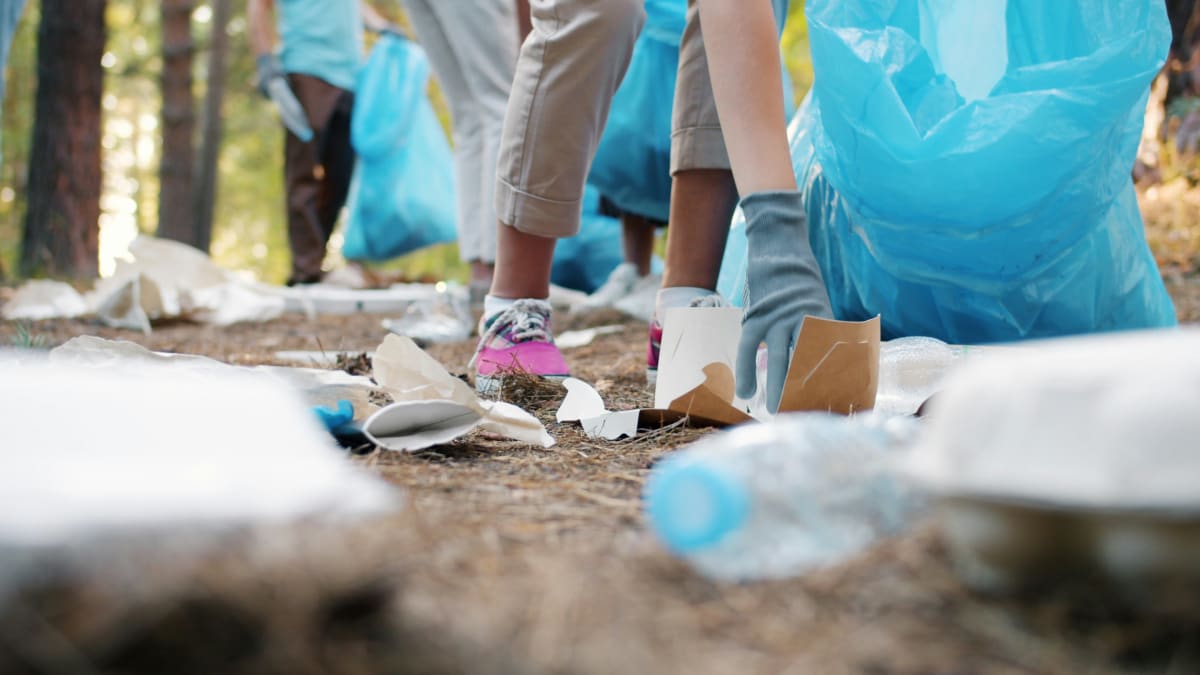
Do not leave litter behind.
Do not remove plants, rocks or other natural materials unless permitted.
Leave natural areas as you found them.
Consider Community-Based Experiences
Some tourism experiences are designed to provide direct benefits to local communities.
These can include:
- Community-run cultural experiences
- Local craft workshops
- Community conservancies
- Locally owned accommodation
- Community guides
- Local food experiences
The important thing is transparency.
Travelers should be able to understand how their participation contributes to the community.
Responsible Photography
Photography is a major part of safari travel.
But getting a photograph should never come at the expense of an animal's wellbeing or a person's dignity.
Avoid:
- Blocking animals
- Using flash unnecessarily
- Crowding wildlife
- Photographing people without permission
- Entering restricted areas for a better shot
Sometimes the best photograph is the one taken from a respectful distance.
How Travel Partners Can Promote Responsible Tourism
Responsible tourism is not only the traveler's responsibility.
Tour operators, hotels, guides and international travel companies all have roles to play.
Travel businesses can:
- Employ local staff
- Work with local suppliers
- Educate travelers
- Support conservation initiatives
- Reduce waste
- Provide transparent information
- Respect community rights
- Encourage ethical wildlife viewing
This creates a stronger tourism ecosystem.
Responsible Tourism Across East Africa
The same principles apply beyond Kenya.
Travelers visiting Tanzania, Uganda, Rwanda and other East African destinations can make similar choices.
The region's tourism industry depends heavily on the protection of its natural and cultural assets.
Responsible travel helps ensure that future generations can continue to experience them.
How ZikaraLink Travel Approaches Responsible Travel
As a Kenya-based tour and travel company, ZikaraLink Travel recognizes that tourism depends on the destinations and communities that make travel possible.
We aim to work with local tourism providers and create experiences that respect wildlife, local culture and the destination.
For travelers and international tourism partners, we believe good travel should create value for more than the person taking the trip.
Travel With Purpose
You do not need to change the way you travel completely to make a difference.
Choose local where possible.
Respect wildlife.
Listen to communities.
Reduce waste.
Ask questions about where your money goes.
And choose travel partners who take responsible tourism seriously.
The best journeys leave you with great memories while leaving the destination with something positive too.