
Arabuko-Sokoke Forest
Discover One of East Africa's Most Important Coastal Forests
Overview
Arabuko-Sokoke Forest
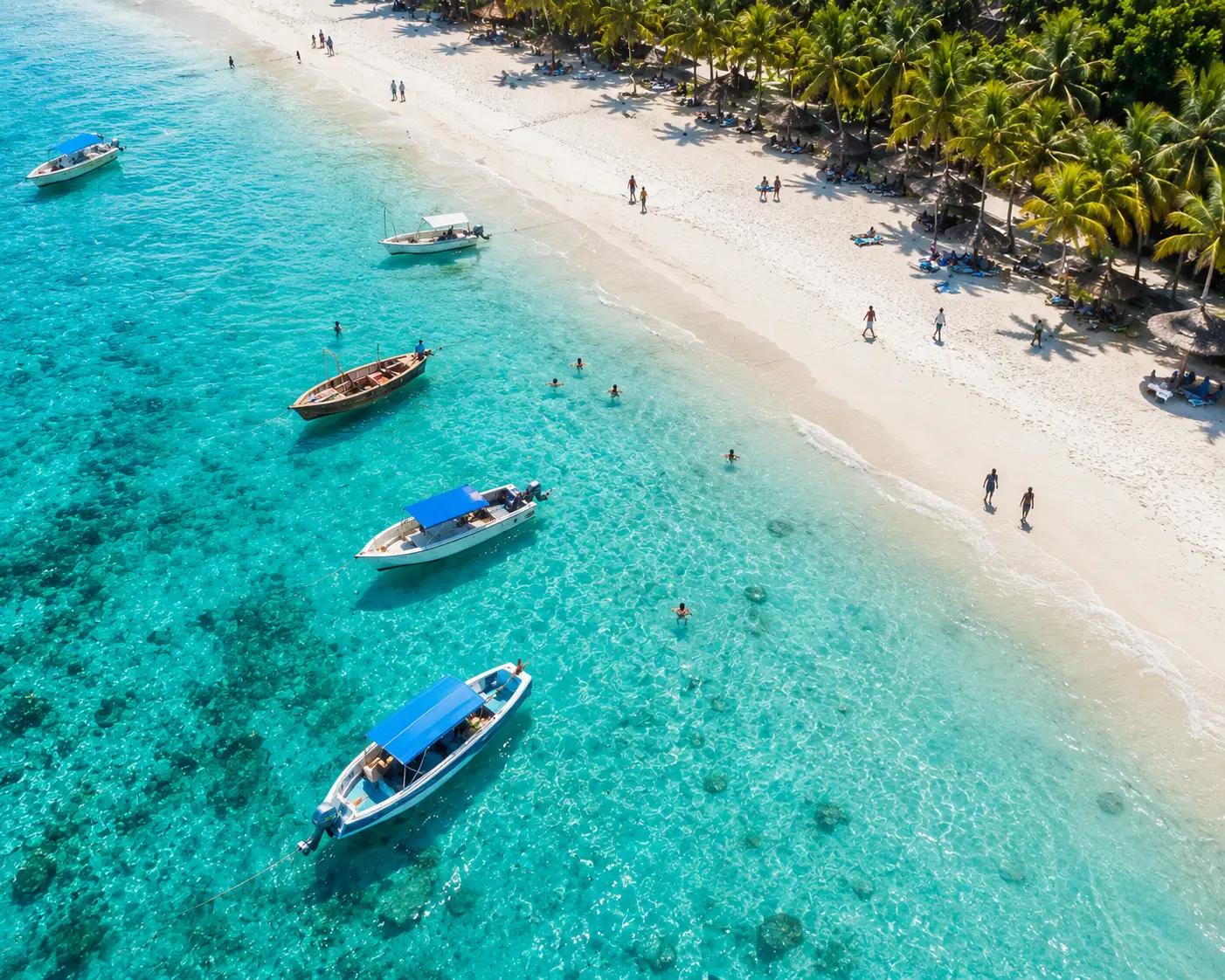
Arabuko-Sokoke Forest offers a completely different experience from the beaches, coral reefs and safari parks of coastal Kenya.
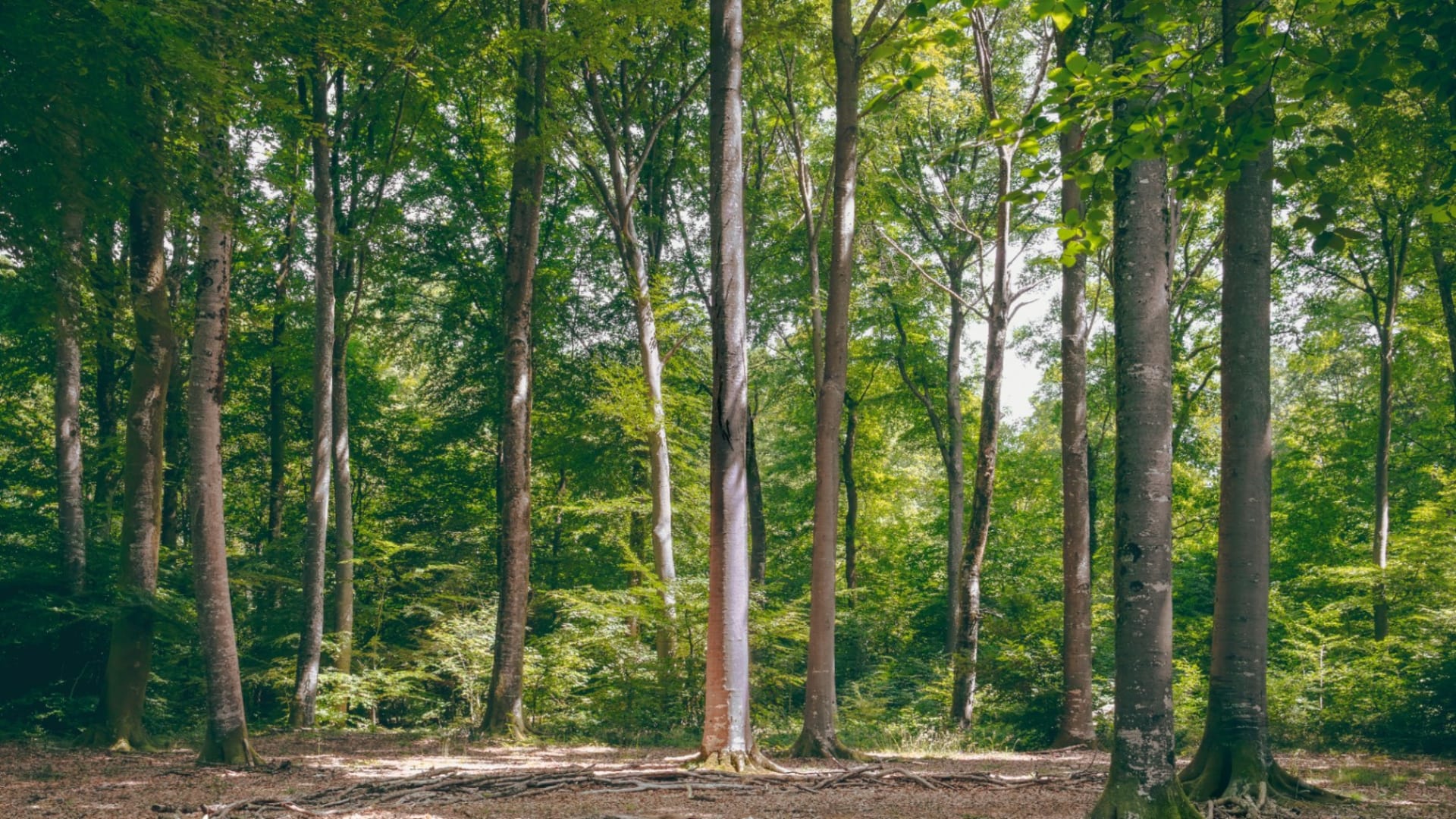
The forest stretches inland from the Watamu and Malindi area and protects one of the most important remaining blocks of indigenous coastal forest in East Africa.
Its dense vegetation provides habitat for rare birds, mammals, butterflies and plant species.
TipArabuko-Sokoke is especially rewarding for travelers interested in birdwatching, photography, nature walks and conservation rather than traditional big-game safari viewing.
Why Visit Arabuko-Sokoke Forest?
Arabuko-Sokoke is valuable because of its biodiversity.
The forest contains several distinct habitat types, creating different environments for wildlife and plant species.
Visitors can explore:
- Indigenous coastal forest
- Open woodland
- Dense vegetation
- Forest trails
- Bird habitats
- Butterfly habitats
- Small mammal habitats
- Coastal conservation landscapes
Birdwatchers, photographers, nature lovers, families, couples and travelers staying in Watamu or Malindi.
A Forest Unlike Kenya's Savannah Parks
Arabuko-Sokoke does not offer the wide-open landscapes associated with the Maasai Mara or Amboseli.
Instead, the experience is about entering a living forest environment.
You may notice:
- Bird calls above the canopy
- Butterflies moving through vegetation
- Monkeys in the trees
- Tracks on forest trails
- Unusual plants
- Changing light beneath the canopy
The forest rewards patience and observation.
NoteWildlife can be more difficult to spot in dense forest than in open savannah. A knowledgeable local guide can make a significant difference.
Wildlife in Arabuko-Sokoke
Arabuko-Sokoke supports a variety of smaller and medium-sized wildlife.
Possible sightings include:
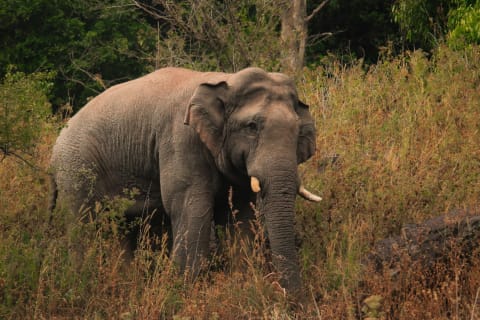
- Elephants
- Buffaloes
- Bushbucks
- Suni antelopes
- Ader's duiker
- Golden-rumped elephant shrews
- Monkeys
- Baboons
- Civets
- Genets
- Numerous butterflies
- Reptiles and amphibians
The forest is particularly important for species that depend on coastal woodland and forest habitats.
Birdwatching in Arabuko-Sokoke
Birdwatching is one of the strongest reasons to visit the forest.
Arabuko-Sokoke provides habitat for several rare and range-restricted bird species.
Birders may search for:
- Clarke's weaver
- Sokoke scops owl
- East Coast akalat
- Amani sunbird
- Fischer's turaco
- Crested guineafowl
- Forest batis
- Hornbills
- Sunbirds
- Woodpeckers
Some species are elusive, making local knowledge particularly valuable.
TipSerious birdwatchers should consider an early-morning guided forest walk when bird activity is high and temperatures are generally more comfortable.
The Golden-Rumped Elephant Shrew
The golden-rumped elephant shrew is one of Arabuko-Sokoke's most distinctive mammals.
This small insect-eating mammal has a long nose, powerful hind legs and a characteristic golden-colored rump.
It is closely associated with coastal forest habitats and is one of the species that makes the forest important from a conservation perspective.
Arabuko-Sokoke is a destination for travelers who enjoy searching for rare and specialized wildlife rather than simply counting large mammals.
Forest Walking
Walking provides the best way to understand Arabuko-Sokoke.
On foot, you can pay attention to details that would easily be missed from a vehicle.
A guided walk can reveal:
- Animal tracks
- Bird calls
- Butterflies
- Forest plants
- Insects
- Small mammals
- Traditional plant uses
- Forest ecology
WarningAlways use established trails and appropriate guides. Dense forest environments can make navigation difficult, while wildlife may be nearby even when it cannot be seen.
Butterflies and Smaller Wildlife
Arabuko-Sokoke is particularly rewarding for travelers interested in insects and smaller creatures.
The forest supports a remarkable diversity of:
- Butterflies
- Moths
- Beetles
- Dragonflies
- Reptiles
- Amphibians
- Forest insects
These smaller species are an important part of the ecosystem and can make a guided walk much more engaging.
A forest safari does not have to revolve around elephants and lions. Arabuko-Sokoke demonstrates how much biodiversity exists at a much smaller scale.
Things to Do in Arabuko-Sokoke
Guided Forest Walks
Explore the forest while learning about its ecology and wildlife.
Birdwatching
Search for rare coastal forest birds with an experienced guide.
Wildlife Tracking
Look for tracks, signs and evidence of animals moving through the forest.
Butterfly Watching
Observe the forest's diverse butterfly species.
Nature Photography
Photograph birds, insects, vegetation and forest landscapes.
Conservation Experiences
Learn about the importance of protecting one of Kenya's remaining coastal forests.
TipCombine a forest walk with a coastal activity in Watamu for a balanced day of nature and relaxation.
Best Time to Visit Arabuko-Sokoke
The forest can be visited throughout the year.
Seasonal differences affect vegetation, insect activity, birdlife and trail conditions.
| Travel Period | Typical Experience |
|---|---|
| Drier periods | Easier walking and generally firmer trails |
| Wet periods | Lush vegetation and strong insect activity |
| Early morning | Cooler temperatures and active birdlife |
NoteCoastal weather can be humid, and forest trails may become muddy after rain. Comfortable walking shoes are recommended.
How Long Should You Stay?
Arabuko-Sokoke can be visited as a half-day or full-day excursion from Watamu or Malindi.
Travelers with a strong interest in birds or nature may prefer a longer visit to allow time for multiple walks.
Half-day to full-day excursion, or 1 to 2 nights for dedicated nature travelers.
Where Is Arabuko-Sokoke Forest?
Arabuko-Sokoke is located along the Kenyan coast between Kilifi and Malindi, close to Watamu.
Its location makes it particularly convenient to combine with coastal destinations.
Popular combinations include:
- Watamu + Arabuko-Sokoke
- Malindi + Arabuko-Sokoke
- Watamu + Arabuko-Sokoke + Mida Creek
- Arabuko-Sokoke + Tsavo East
- Mombasa + Arabuko-Sokoke
Getting to Arabuko-Sokoke
By Road
The forest is easily incorporated into a coastal road itinerary.
It is particularly accessible from Watamu and Malindi.
By Coastal Transfer
Travelers arriving through Mombasa can combine the forest with a wider northern coastal itinerary.
TipStaying in Watamu provides a convenient base for combining Arabuko-Sokoke with marine activities, beaches and Mida Creek.
Arabuko-Sokoke for Families
The forest can be an engaging family destination, particularly for children interested in animals, birds and nature.
Families should consider:
- Walking distances
- Child ages
- Heat and humidity
- Insect protection
- Guide arrangements
- Trail conditions
WarningChildren should remain with their guides and avoid touching unfamiliar plants, insects or animals.
Arabuko-Sokoke for Couples
The forest offers couples a quieter alternative to conventional safari experiences.
A couples itinerary can include:
- Private nature walks
- Birdwatching
- Photography
- Butterfly viewing
- Watamu beach time
- Mida Creek excursions
- Coastal dining
A morning forest walk followed by an afternoon on the beach creates an easy combination of adventure and relaxation.
Photography in Arabuko-Sokoke
The forest is best suited to photographers who enjoy detail and atmosphere.
Potential subjects include:
- Rare birds
- Elephant shrews
- Monkeys
- Butterflies
- Forest plants
- Tree textures
- Insects
- Sunlight through the canopy
A telephoto lens is useful for birds, while a macro lens can reveal the forest's remarkable insect and plant life.
Conservation Importance
Arabuko-Sokoke is much more than a tourist attraction.
The forest is an important refuge for species that have lost habitat elsewhere along the coast.
Its conservation value is connected to:
- Coastal forest protection
- Endangered species
- Bird conservation
- Habitat connectivity
- Community involvement
- Sustainable tourism
NoteVisiting responsibly and using local guides can help support the people and conservation initiatives connected to the forest.
Responsible Tourism
Visitors can help protect the forest by traveling thoughtfully.
Good practices include:
- Stay on designated trails.
- Follow guide instructions.
- Avoid disturbing birds and animals.
- Do not collect plants or natural objects.
- Avoid littering.
- Keep noise levels low.
- Respect local communities.
- Use responsible local operators.
WarningDo not remove plants, insects, shells, feathers or other natural materials from the forest.
Accommodation Near Arabuko-Sokoke
Most travelers stay in nearby Watamu or Malindi rather than inside the forest itself.
This makes it easy to combine a forest experience with coastal activities.
When choosing accommodation, consider:
- Distance to forest access points
- Birdwatching opportunities
- Beach access
- Family facilities
- Guide arrangements
- Marine activities
- Restaurant options
Watamu is particularly convenient for travelers who want to combine Arabuko-Sokoke with beaches, Mida Creek and marine excursions.
Arabuko-Sokoke Safari Planning
Arabuko-Sokoke is best incorporated into a coastal nature itinerary.
| Combination | Ideal For |
|---|---|
| Watamu + Arabuko-Sokoke | Forest and beach |
| Malindi + Arabuko-Sokoke | Coastal culture and nature |
| Arabuko-Sokoke + Mida Creek | Birding and wetlands |
| Arabuko-Sokoke + Tsavo East | Forest and savannah |
| Mombasa + Arabuko-Sokoke | Coastal city and nature |
TipFor birdwatchers, combining Arabuko-Sokoke with Mida Creek creates a particularly diverse coastal birding experience.
Experience Arabuko-Sokoke With ZikaraLink Travel
ZikaraLink Travel can arrange Arabuko-Sokoke experiences around your travel dates, interests and coastal itinerary.
Planning can include:
- Guided forest walks
- Birdwatching
- Wildlife tracking
- Butterfly experiences
- Nature photography
- Conservation-focused visits
- Watamu and Arabuko-Sokoke combinations
- Malindi and Arabuko-Sokoke excursions
- Coastal nature itineraries
- Family experiences
- Couples' escapes
- Customized Kenya travel
NoteArabuko-Sokoke offers a different definition of safari: instead of searching the horizon for large herds, you slow down, enter the forest and discover the rare birds, small mammals and intricate ecosystems that make Kenya's coast so special.
Best Time to Visit
Best time data not yet available for this destination.
Getting There
By Road
5-6 hours from Nairobi via Narok (270km)
By Air
45-minute flight from Wilson Airport to various airstrips