

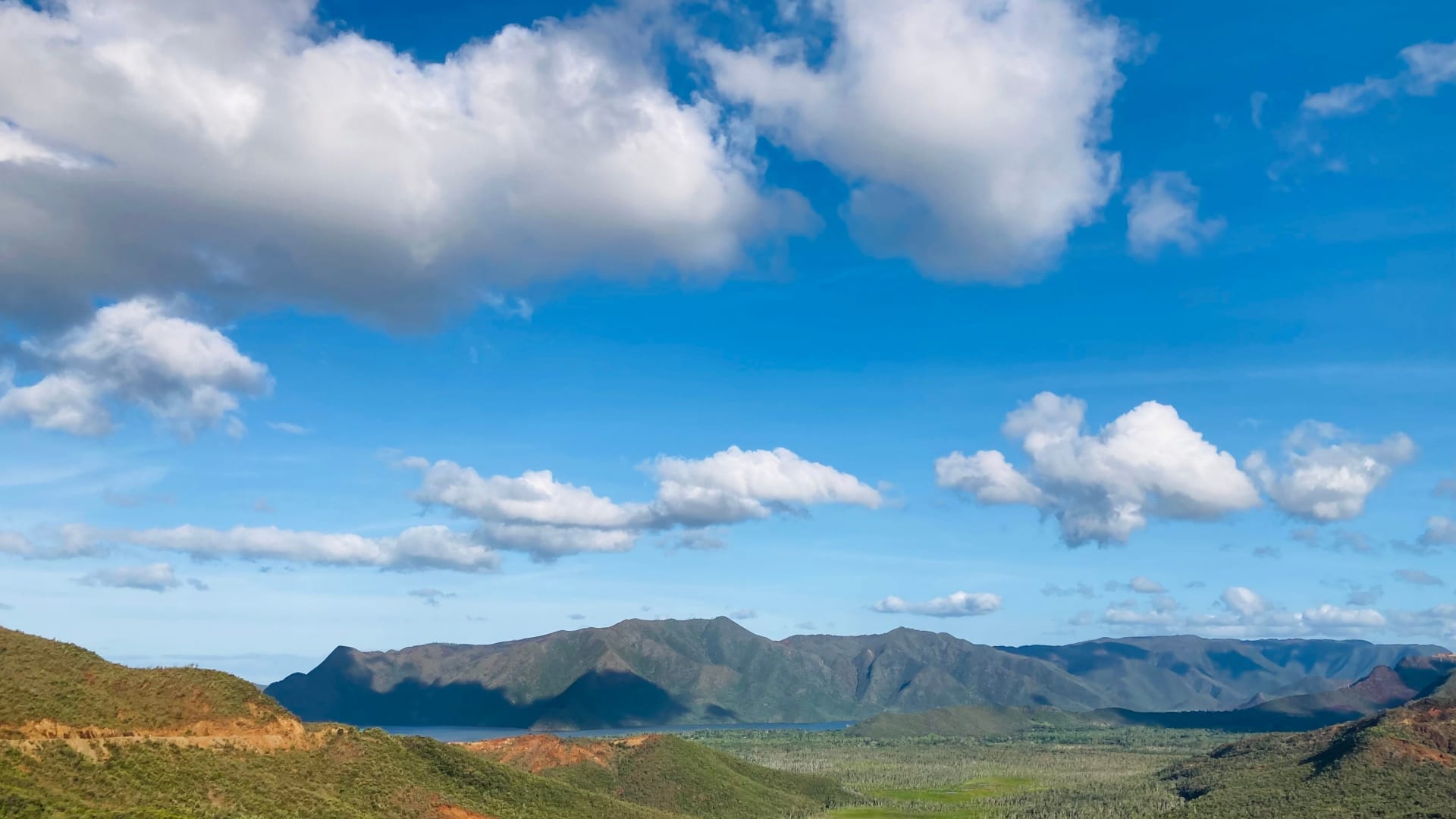
Chyulu Hills National Park
Discover Kenya's Quiet Hills Beyond the Classic Safari
Overview
Chyulu Hills National Park
hyulu Hills National Park protects a striking chain of volcanic hills between Amboseli and Tsavo.
The landscape is characterized by rolling grasslands, volcanic formations, forests and dramatic horizons.
On clear days, Mount Kilimanjaro can provide an extraordinary backdrop to the hills.
Unlike Kenya's busiest safari destinations, Chyulu Hills is better suited to travelers looking for wilderness, scenery and more active ways to explore the bush.
TipChyulu Hills is an excellent choice for travelers who want to combine wildlife with walking, horseback riding, photography and remote landscapes.
Why Visit Chyulu Hills?
Chyulu Hills offers a distinctive combination of volcanic scenery and wildlife.
The park is known for:
- Rolling volcanic hills
- Lava formations
- Grasslands
- Montane forest
- Wildlife viewing
- Walking safaris
- Horseback experiences
- Birdwatching
- Views toward Mount Kilimanjaro
- Remote wilderness
Adventure travelers, couples, photographers, walkers and safari travelers seeking a quieter destination.
The Chyulu Hills Landscape
The hills were formed through volcanic activity and contain some of the youngest volcanic features in the region.
The landscape changes between open grassland, forested slopes and rocky lava terrain.
The result is a safari environment that feels very different from the flat plains of the Maasai Mara or Amboseli.
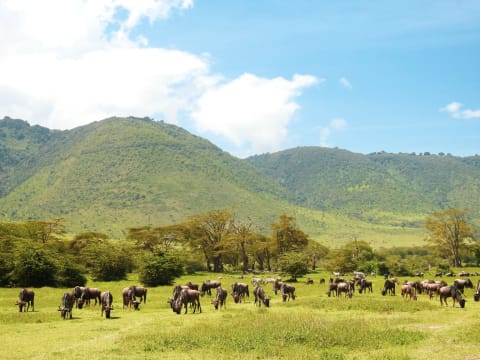
NoteKilimanjaro visibility depends on weather and atmospheric conditions and cannot be guaranteed.
Wildlife in Chyulu Hills
Chyulu Hills supports a variety of wildlife, although the experience is generally less focused on concentrated big-game viewing than the Maasai Mara or Amboseli.
Possible sightings include:
- Elephants
- Buffaloes
- Giraffes
- Zebras
- Elands
- Hartebeests
- Wildebeests
- Leopards
- Lions
- Cheetahs
- Bushbuck
- Warthogs
- Antelopes
The surrounding ecosystem is also important for elephant movement between protected areas.
TipThe strength of Chyulu Hills is the combination of wildlife and landscape rather than the expectation of seeing a long list of species in a single game drive.
Walking Safaris
Walking is one of the experiences that makes Chyulu Hills distinctive.
With an appropriately qualified guide and according to park regulations, walking can provide a closer understanding of:
- Animal tracks
- Plants
- Insects
- Birds
- Geology
- Animal signs
- Landscape features
Walking changes the pace of safari.
Instead of traveling quickly between wildlife sightings, you become more aware of the smaller details around you.
WarningWalking in wildlife habitat requires professional guidance. Never leave an authorized walking route or approach wild animals on foot.
Horseback Safaris
Horseback experiences can provide another way to explore the Chyulu Hills landscape where permitted and arranged through appropriate operators.
Riding can be particularly appealing for travelers who want to experience the terrain without relying entirely on a safari vehicle.
Horseback exploration can combine the freedom of an outdoor ride with views across volcanic hills and open wilderness.
The Chyulu Hills and Mount Kilimanjaro
One of the most memorable aspects of the southern Chyulu landscape is its relationship with Mount Kilimanjaro.
The mountain can appear beyond the hills and plains, creating dramatic photographic compositions.
This makes Chyulu Hills particularly attractive to photographers who want something more atmospheric than conventional safari scenes.
TipEarly mornings often provide the best opportunity for clearer mountain views before clouds build around the higher elevations.
The Leviathan Cave
The Chyulu Hills are associated with extensive underground lava formations and caves.
Leviathan Cave is among the area's best-known geological features.
The cave system reflects the volcanic history of the landscape and provides an unusual addition to a safari itinerary.
WarningCave exploration should only be undertaken with qualified guides and appropriate equipment. Conditions underground can be hazardous.
Things to Do in Chyulu Hills
Game Drives
Explore the hills and surrounding plains in search of wildlife.
Walking Safaris
Learn about tracks, plants, geology and smaller aspects of the ecosystem.
Horseback Riding
Experience the landscape from horseback where available.
Cave Exploration
Explore volcanic cave formations with qualified guides.
Birdwatching
Search forest and grassland habitats for diverse birdlife.
Landscape Photography
Capture volcanic hills, wildlife and distant Mount Kilimanjaro views.
Birdwatching in Chyulu Hills
The mixture of forest, grassland and volcanic terrain supports a diverse bird community.
Potential sightings include:
- Sunbirds
- Turacos
- Eagles
- Raptors
- Hornbills
- Francolins
- Grassland species
- Forest birds
Walking activities can be particularly rewarding for birdwatchers because they allow more time to listen for calls and observe smaller species.
Best Time to Visit Chyulu Hills
Chyulu Hills can be visited throughout the year, with seasonal conditions influencing vegetation, wildlife movement and road access.
| Travel Period | Typical Experience |
|---|---|
| Drier periods | Easier access and generally clearer wildlife viewing |
| Wet periods | Greener hills and dramatic landscapes |
| Early mornings | Cooler conditions and potentially clearer mountain views |
NoteThe appearance of Mount Kilimanjaro depends heavily on cloud cover and atmospheric conditions.
How Long Should You Stay?
Chyulu Hills is best experienced at a slower pace than a quick day-trip safari.
A 2-night stay allows time for game drives and at least one active experience such as walking or horseback exploration.
2 to 3 nights.
Where Is Chyulu Hills National Park?
Chyulu Hills National Park lies in southern Kenya between the Amboseli and Tsavo ecosystems.
Its position makes it possible to incorporate the hills into a broader southern Kenya safari.
Popular combinations include:
- Chyulu Hills + Amboseli
- Chyulu Hills + Tsavo West
- Chyulu Hills + Tsavo East
- Chyulu Hills + Nairobi
- Chyulu Hills + Amboseli + Tsavo
Getting to Chyulu Hills
By Road
Road access can be incorporated into a southern Kenya safari circuit.
The journey can be combined with Amboseli or Tsavo depending on the route and accommodation.
By Air
Charter and regional aviation can provide access to nearby safari airstrips, followed by a lodge or camp transfer.
TipFlying can be useful for travelers combining Chyulu Hills with other remote safari camps, while road travel provides a more connected southern Kenya itinerary.
Chyulu Hills for Families
Chyulu Hills can work for families who enjoy outdoor activities, but the suitability of walking, horseback riding and cave exploration depends on the children's ages and the individual operator's policies.
Families should consider:
- Minimum child ages
- Walking requirements
- Horseback riding restrictions
- Accommodation arrangements
- Game-drive duration
- Medical access
- Road conditions
WarningActive experiences should be selected according to children's abilities and the safety requirements of the individual operator.
Chyulu Hills for Couples
Chyulu Hills can be particularly appealing for couples looking for privacy and a more adventurous safari atmosphere.
A couples itinerary can include:
- Private game drives
- Guided walks
- Horseback riding
- Scenic sundowners
- Landscape photography
- Kilimanjaro views
- Remote bush accommodation
The combination of secluded wilderness, volcanic hills and dramatic mountain views creates an intimate alternative to busier safari destinations.
Photography in Chyulu Hills
The destination offers a strong variety of photographic subjects.
Photographers can focus on:
- Mount Kilimanjaro
- Volcanic hills
- Elephants
- Giraffes
- Zebras
- Birds
- Lava formations
- Forests
- Grasslands
- Golden-hour landscapes
A telephoto lens is useful for wildlife, while a wide-angle lens helps capture the scale of the hills and distant Kilimanjaro.
Responsible Tourism
Chyulu Hills forms part of a larger landscape where conservation depends on connected habitats and responsible land use.
Visitors should:
- Follow guide instructions.
- Maintain a safe distance from wildlife.
- Avoid littering.
- Stay on authorized routes.
- Respect local communities.
- Avoid disturbing animals.
- Use established conservation and tourism operators.
NoteThe wider Chyulu landscape is important not only for wildlife viewing but also for maintaining ecological connections between southern Kenya's major protected areas.
Accommodation in Chyulu Hills
Accommodation options are generally focused on safari camps and lodges designed around the surrounding wilderness.
When selecting accommodation, consider:
- Access to walking activities
- Game-drive opportunities
- Views
- Child policies
- Horseback experiences
- Privacy
- Road or air access
- Conservation model
A camp or lodge that offers several ways to explore the landscape can make a longer stay much more rewarding.
Chyulu Hills Safari Planning
Chyulu Hills is particularly effective as part of a southern Kenya safari.
| Combination | Ideal For |
|---|---|
| Chyulu Hills + Amboseli | Kilimanjaro views and active safari |
| Chyulu Hills + Tsavo West | Volcanic landscapes and wildlife |
| Chyulu Hills + Tsavo East | Southern Kenya wildlife circuit |
| Chyulu Hills + Amboseli + Tsavo | Comprehensive southern Kenya safari |
| Nairobi + Chyulu Hills | Short wilderness escape |
TipCombining Chyulu Hills with Amboseli creates an excellent contrast between open plains beneath Kilimanjaro and the more rugged volcanic landscapes of the Chyulu range.
Experience Chyulu Hills With ZikaraLink Travel
ZikaraLink Travel can arrange Chyulu Hills experiences around your preferred dates, interests, accommodation style and safari budget.
Planning can include:
- Chyulu Hills game drives
- Walking safaris
- Horseback experiences
- Cave exploration
- Birdwatching
- Photography safaris
- Couples' escapes
- Family safari itineraries
- Chyulu Hills and Amboseli combinations
- Chyulu Hills and Tsavo circuits
- Southern Kenya safari itineraries
- Customized Kenya travel
NoteChyulu Hills is for travelers who want to experience Kenya beyond the classic safari route, combining wildlife, volcanic landscapes, active exploration and the possibility of seeing Mount Kilimanjaro from a quieter wilderness setting.
Best Time to Visit
Best time data not yet available for this destination.
Getting There
By Road
5-6 hours from Nairobi via Narok (270km)
By Air
45-minute flight from Wilson Airport to various airstrips