

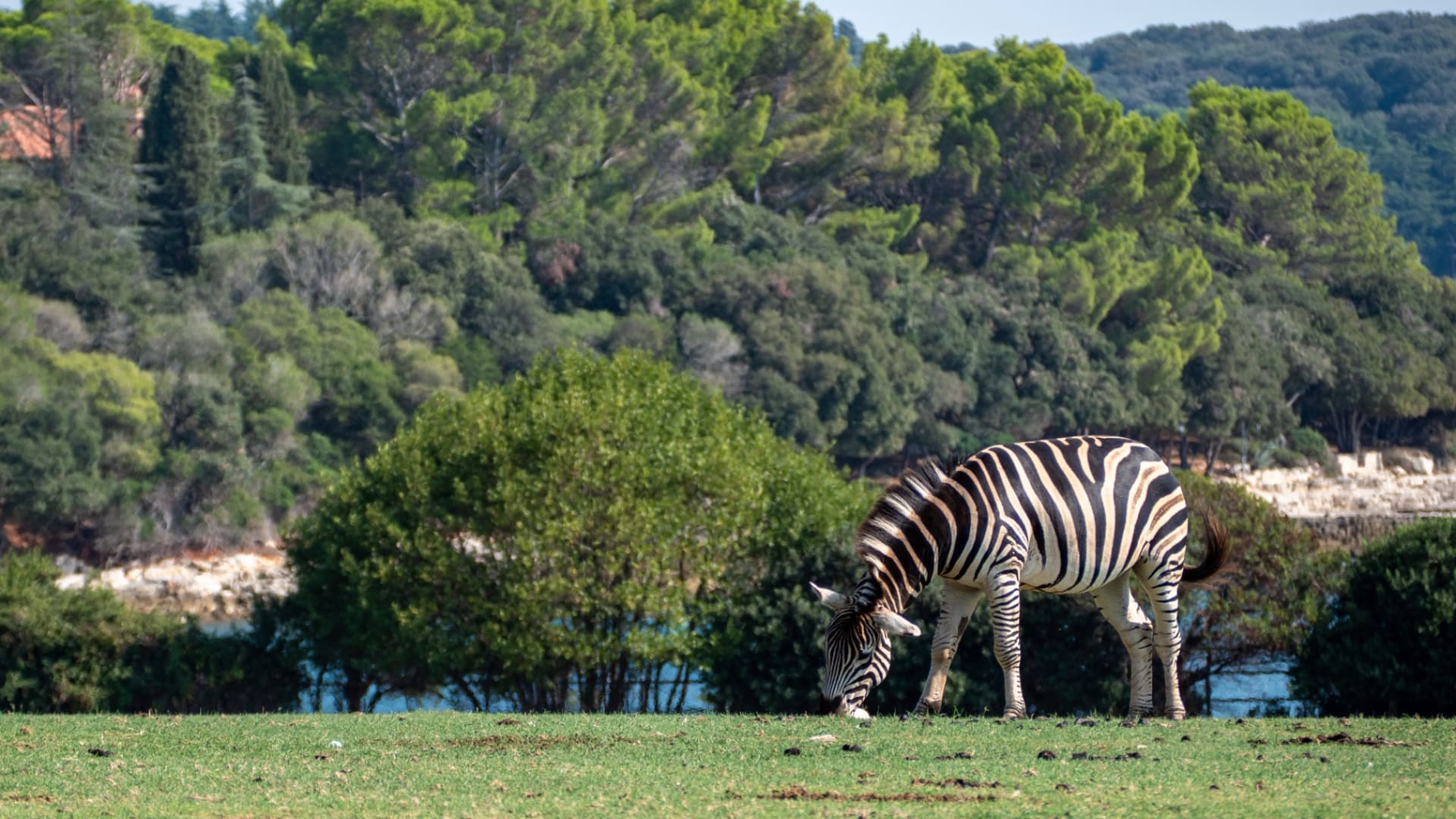
Meru National Park
Explore Kenya's Underrated Eastern Safari Country
Overview
Meru National Park
Meru National Park is a distinctive safari destination where open grasslands, thorny bushland, riverine forests, wetlands and natural springs create a remarkably varied wildlife environment.
Covering approximately 870 square kilometers, the park offers a more secluded safari atmosphere than many of Kenya's better-known wildlife destinations.
Its conservation history is also deeply connected to the story of Elsa the lioness and George and Joy Adamson, whose work later became famous through *Born Free*.
TipMeru is a strong choice for travelers who want a quieter safari destination with diverse wildlife, interesting landscapes and a significant conservation history.
Why Visit Meru National Park?
Meru offers many of the ingredients of a classic Kenyan safari while retaining a more remote character.
The park supports a wide range of habitats, allowing visitors to experience changing scenery during a single safari.
Wildlife commonly associated with the park includes:
- Elephants
- Lions
- Leopards
- Black rhinoceros
- Grevy's zebras
- Reticulated giraffes
- Cheetahs
- Buffaloes
- Hippos
- Elands
- Waterbuck
- Hartebeest
- Warthogs
- Diverse birdlife
Travelers seeking quieter game drives, birdwatching, conservation history, varied landscapes and less conventional Kenya safari routes.
Meru's Wildlife Diversity
The park's mixture of woodland, grassland, riverine forest and wetland habitats creates opportunities to see a broad range of species.
Grevy's zebra and reticulated giraffe add a northern Kenya flavor to the wildlife experience, while elephants, lions, rhinos and buffalo provide the classic safari appeal.
The park is also recognized as an important birdwatching destination, with more than 400 bird species recorded.
NoteWildlife sightings depend on season, habitat conditions, animal movements and the location explored during your game drive.
Elsa the Lioness and the Born Free Story
Meru National Park has a special place in Kenya's conservation history because of Elsa the lioness.
George and Joy Adamson famously raised Elsa after she was orphaned and later successfully returned her to the wild.
Their story became internationally known through the book and film *Born Free*.
Visitors can explore sites associated with this history, including Elsa's grave.
Meru offers the unusual opportunity to combine a wildlife safari with one of Kenya's most internationally recognized conservation stories.
The Landscapes of Meru
Meru's scenery changes considerably across the park.
Travelers can encounter:
- Open grasslands
- Thorny bushland
- Doum palm groves
- Riverine forests
- Swamps
- Natural springs
- Rocky inselbergs
- Seasonal streams
- River valleys
The presence of multiple rivers and streams gives parts of Meru a greener appearance than travelers may expect from an eastern Kenya safari destination.
Things to Do in Meru National Park
Game Drives
Game drives provide the main way to explore Meru's diverse wildlife habitats.
Morning and afternoon drives can be used to search for predators, elephants, rhinos, Grevy's zebras and other wildlife.
Rhino Viewing
The park includes protected rhino habitat and offers opportunities to search for black rhinoceros.
Birdwatching
With its varied habitats and extensive birdlife, Meru is an excellent destination for travelers interested in birdwatching.
Guided Nature Walks
Authorized walking experiences can provide a closer look at the park's plants, smaller wildlife and landscapes.
Night Wildlife Experiences
Depending on current park arrangements and the experience booked, visitors may be able to participate in guided night wildlife activities.
Conservation and Heritage Visits
Travelers can explore sites connected to Elsa and the Adamson conservation story.
WarningWalking and night activities should only be undertaken with authorized guides or according to current park regulations.
Rivers and Waterways
Water is one of the defining features of Meru's landscape.
Rivers and streams support vegetation and wildlife while creating greener corridors through the surrounding wilderness.
The park is also associated with the Tana River ecosystem along its southern boundary.
During drier conditions, water sources can become important areas for wildlife activity, although animal distribution changes naturally throughout the year.
Best Time to Visit Meru
Meru can be visited throughout the year.
| Travel Period | Typical Experience |
|---|---|
| Drier periods | Generally easier wildlife viewing and driving conditions |
| Wet periods | Greener landscapes, active birdlife and flowing waterways |
| Shoulder periods | Changing vegetation and potentially quieter safari experiences |
Rainfall can affect road conditions and wildlife distribution.
TipTravelers interested in photography may enjoy the greener landscapes following rainfall, while those prioritizing predictable driving conditions may prefer drier periods.
How Long Should You Stay?
A 2-night stay can provide a good introduction to the park.
A 3-night stay allows more time for game drives, birdwatching and conservation or heritage experiences.
2 to 3 nights for most Meru safari itineraries.
Where Is Meru National Park?
Meru National Park is located in eastern Kenya, in Meru County.
It can form part of a wider central and northern Kenya safari circuit.
Popular combinations include:
- Nairobi + Meru
- Meru + Ol Pejeta
- Meru + Samburu
- Meru + Mount Kenya
- Meru + Lewa Wildlife Conservancy
Getting to Meru National Park
By Road
Meru is accessible from Nairobi by road via routes through central Kenya.
The park can also be approached from Meru town and surrounding areas.
By Air
Regional and charter flights can provide access to airstrips serving the park and nearby safari properties.
NoteFlying can be useful for travelers combining several remote safari destinations or working with a limited travel schedule.
Meru for Families
Meru can be an interesting family safari destination because wildlife viewing can be combined with educational conservation and nature experiences.
Families should consider:
- Child age policies
- Family accommodation
- Private safari vehicles
- Game-drive duration
- Walking activity requirements
- Meal arrangements
- Camp safety procedures
WarningChildren should remain supervised around wildlife and follow all instructions from safari guides and accommodation staff.
Meru for Couples
Meru's relatively secluded atmosphere can appeal to couples looking for a quieter safari experience.
A couples itinerary can include:
- Private game drives
- Luxury safari accommodation
- Wildlife photography
- Bush breakfasts
- Sundowners
- Conservation experiences
- Heritage sites
- Birdwatching
Meru's combination of wilderness, greenery and lower visitor density can create an intimate safari atmosphere away from Kenya's busiest wildlife circuits.
Birdwatching in Meru
Meru's diverse habitats support an impressive range of bird species.
Birdwatchers can explore riverine forests, grasslands, wetlands and woodland environments in search of different species.
Potential sightings can include:
- Raptors
- Waterbirds
- Kingfishers
- Hornbills
- Starlings
- Weavers
- Sunbirds
- Ostrich
- Other resident and migratory species
Carry binoculars even if birdwatching is not your main purpose because Meru's varied habitats can produce unexpected sightings during ordinary game drives.
Wildlife Photography
Meru offers photographers a different visual style from Kenya's open savannah destinations.
Potential subjects include:
- Elephants
- Lions
- Rhinos
- Grevy's zebras
- Reticulated giraffes
- Hippos
- Birds
- Doum palms
- River landscapes
- Forest and grassland scenery
Include more of the surrounding landscape in your compositions to show the distinctive riverine and woodland character of Meru.
Safari Safety in Meru
Meru is a protected wildlife environment and visitors should follow park regulations carefully.
During your safari:
- Remain inside the vehicle unless authorized otherwise.
- Keep a safe distance from wildlife.
- Never feed animals.
- Avoid sudden movements and loud noises.
- Stay on designated roads and trails.
- Follow guide instructions.
- Respect park entry and exit requirements.
DangerWild animals can react unpredictably when startled. Never approach wildlife on foot or leave the vehicle outside designated areas.
Accommodation in Meru
Accommodation options include safari lodges, tented camps, guesthouses and campsites.
When choosing accommodation, consider:
- Location
- Access to game-viewing areas
- River or landscape views
- Family suitability
- Guided activities
- Private vehicle availability
- Meal arrangements
- Conservation experiences
Travelers interested in the park's heritage should consider accommodation and itineraries that make it easy to visit the historic sites associated with the Adamson story.
Meru Safari Planning
Meru can work as a standalone destination or as part of a longer Kenya safari.
| Combination | Ideal For |
|---|---|
| Nairobi + Meru | Short eastern Kenya safari |
| Meru + Ol Pejeta | Wildlife and conservation |
| Meru + Samburu | Diverse northern Kenya safari |
| Meru + Mount Kenya | Wildlife and mountain scenery |
| Meru + Lewa | Conservation-focused safari |
TipCombining Meru with Ol Pejeta or Samburu can create a more distinctive itinerary for travelers who want to explore beyond Kenya's most famous safari destinations.
Experience Meru With ZikaraLink Travel
ZikaraLink Travel can arrange Meru safaris around your travel dates, budget, accommodation preferences and wildlife interests.
Safari planning can include:
- Meru game drives
- Rhino safaris
- Wildlife photography
- Birdwatching safaris
- Private safaris
- Family safaris
- Conservation experiences
- Born Free heritage experiences
- Meru and Ol Pejeta itineraries
- Meru and Samburu combinations
- Northern Kenya safari circuits
- Safari and beach holidays
- Customized Kenya safaris
NoteMeru National Park combines wildlife, rivers, forests, conservation history and relatively remote safari conditions, making it an excellent choice for travelers looking beyond Kenya's conventional safari circuit.
Best Time to Visit
Best time data not yet available for this destination.
Getting There
By Road
5-6 hours from Nairobi via Narok (270km)
By Air
45-minute flight from Wilson Airport to various airstrips