
Samburu National Reserve
Where the Ewaso Nyiro Carves the Northern Wild.
Overview
Samburu National Reserve
Samburu National Reserve is one of Kenya's most distinctive safari destinations, offering a landscape and wildlife experience that feels very different from the country's southern safari circuits.
The reserve lies along the Ewaso Ng'iro River, whose permanent water source supports wildlife across an otherwise dry and rugged landscape.
Rocky hills, dry plains, acacia woodland and riverine vegetation create a dramatic setting for game drives and wildlife photography.
TipSamburu is an excellent choice for travelers who have already experienced the Maasai Mara or Amboseli and want to discover a different side of Kenya.
Why Visit Samburu National Reserve?
Samburu is best known for its unusual combination of wildlife, scenery and culture.
The reserve is home to several northern Kenya species that are rarely encountered in the more popular safari destinations farther south.
The destination is particularly known for:
- Grevy's zebra
- Reticulated giraffe
- Beisa oryx
- Gerenuk
- Somali ostrich
- Elephants
- Lions
- Leopards
- Cheetahs
- Buffaloes
- Crocodiles
- Hippos
- Diverse birdlife
Wildlife enthusiasts, photographers, repeat Kenya visitors, couples, cultural travelers and travelers looking for a distinctive northern Kenya safari.
The Samburu Special Five
One of Samburu's biggest attractions is the opportunity to search for the Samburu Special Five.
These are:
- Grevy's zebra
- Reticulated giraffe
- Gerenuk
- Beisa oryx
- Somali ostrich
These species are particularly associated with the arid ecosystems of northern Kenya.
Seeing several of them during the same safari can make Samburu especially rewarding for wildlife enthusiasts.
NoteWildlife sightings are never guaranteed. The best opportunities depend on season, habitat conditions, animal movements and the skill of your safari guide.
Grevy's Zebra
Grevy's zebra is one of Samburu's most distinctive wildlife attractions.
It is larger and more finely striped than the common plains zebra and has distinctive rounded ears.
The species is threatened and conservation efforts in northern Kenya play an important role in protecting its remaining populations.
Searching for Grevy's zebra can give a Samburu safari a conservation dimension that goes beyond ordinary game viewing.
Reticulated Giraffes
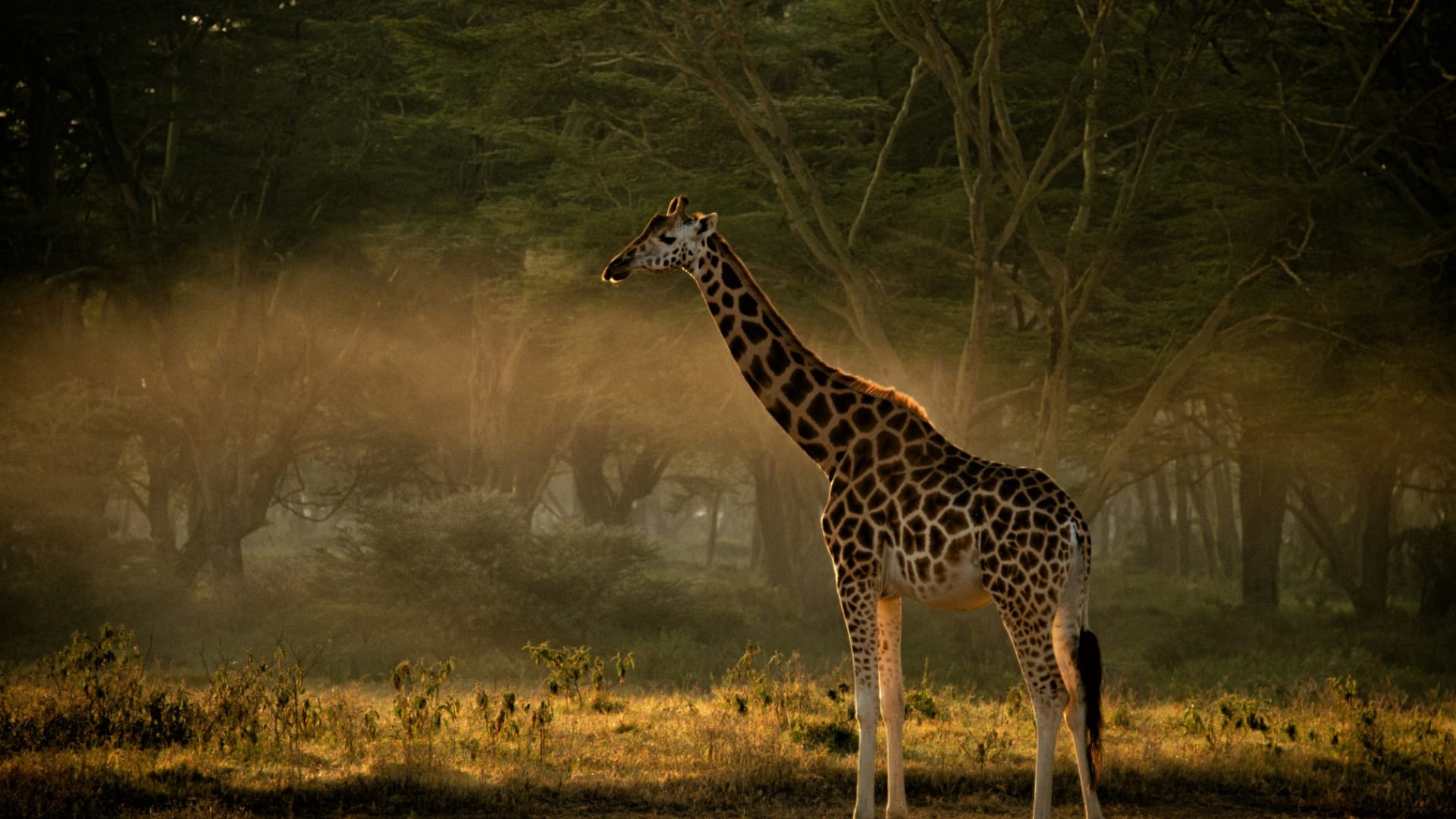
Reticulated giraffes are another signature species of the Samburu ecosystem.
Their sharply defined geometric coat patterns make them particularly striking against the dry northern landscape.
They can often be found browsing among acacia trees and other vegetation.
Gerenuk
The gerenuk is one of Samburu's most unusual antelopes.
Its long neck and legs allow it to browse on higher vegetation, and it is famous for standing upright on its hind legs while feeding.
This behavior can make a gerenuk sighting particularly memorable for wildlife photographers.
Elephants Along the Ewaso Ng'iro River
The Ewaso Ng'iro River is central to the Samburu landscape.
During dry periods, wildlife may concentrate around the river and surrounding vegetation.
Elephants are among the most impressive animals to encounter here and can often be seen moving through the riverine environment.
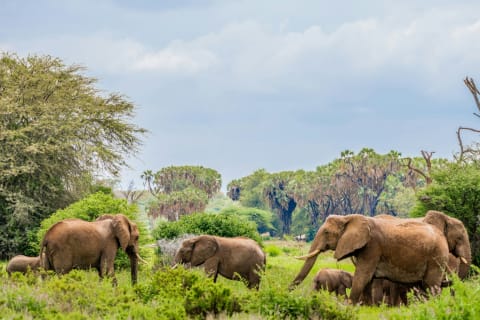
WarningNever approach elephants on foot or attempt to leave a safari vehicle for a closer photograph.
Things to Do in Samburu
Game Drives
Game drives are the main way to explore the reserve.
Early morning and late-afternoon drives can provide comfortable conditions and opportunities to search for predators and the Special Five.
Wildlife Photography
Samburu's distinctive species and dramatic scenery make it particularly attractive to photographers.
Birdwatching
The reserve supports a diverse bird population, including species adapted to the dry northern environment.
Cultural Experiences
Visits to local Samburu communities can provide insight into traditional livelihoods, clothing, livestock keeping and contemporary community life.
Cultural experiences should be arranged respectfully through established local providers.
Scenic Exploration
The combination of river, dry plains, rocky hills and acacia woodland provides opportunities to appreciate Samburu as a landscape destination as well as a wildlife reserve.
Samburu Landscape
Samburu's scenery is defined by contrasts.
You may encounter:
- Dry open plains
- Acacia woodland
- Rocky hills
- Riverine forests
- Seasonal streams
- Sandy riverbanks
- Rugged mountain scenery
The Ewaso Ng'iro River creates a particularly striking contrast with the surrounding dry country.
Use the river and surrounding hills as environmental elements in wildlife photographs to capture the character of northern Kenya rather than focusing only on close-up animal portraits.
Best Time to Visit Samburu
Samburu can be visited throughout the year, although wildlife conditions change with rainfall and water availability.
| Travel Period | Typical Experience |
|---|---|
| Dry periods | Wildlife may concentrate around the river and reliable water sources |
| Wet periods | Greener vegetation, active birdlife and changing landscapes |
| Shoulder periods | Variable conditions and potentially quieter safari experiences |
TipIf your priority is wildlife concentration, ask about recent rainfall and river conditions when planning your safari.
How Long Should You Stay?
A 2-night stay provides a good introduction to Samburu.
A 3-night stay gives you more opportunities to explore different areas, search for the Special Five and enjoy additional cultural or photographic experiences.
2 to 3 nights for a first Samburu safari.
Where Is Samburu National Reserve?
Samburu National Reserve is located in northern Kenya along the Ewaso Ng'iro River.
It forms part of a larger wildlife landscape that includes neighboring reserves and conservancies.
Samburu can be combined with:
- Ol Pejeta Conservancy
- Laikipia
- Lewa Wildlife Conservancy
- Mount Kenya
- Nairobi
- Meru National Park
Getting to Samburu
By Road
Samburu can be reached by road from Nairobi and other northern Kenya destinations.
The journey can be incorporated into a longer northern Kenya safari circuit.
By Air
Scheduled and charter flights provide a faster alternative, with airstrips serving the Samburu area and nearby conservancies.
NoteFlying can be particularly convenient for travelers with limited time or those combining Samburu with multiple remote safari destinations.
Samburu for Families
Samburu can be an excellent family safari destination when accommodation and activities are selected carefully.
Families should consider:
- Child age policies
- Family accommodation
- Private vehicles
- Game-drive duration
- Cultural activities
- Walking policies
- Camp safety procedures
WarningChildren should remain supervised around wildlife and should follow all camp and guide instructions.
Samburu for Couples
Samburu offers couples an opportunity to experience a quieter and more distinctive side of Kenya.
A couples itinerary can include:
- Private game drives
- Luxury tented camps
- Riverfront accommodation
- Sundowners
- Bush breakfasts
- Cultural experiences
- Wildlife photography
- Northern Kenya combinations
The combination of rugged scenery, wildlife and intimate safari camps makes Samburu particularly well suited to couples looking for a more secluded safari atmosphere.
Samburu Conservation
Conservation in northern Kenya increasingly involves collaboration between protected areas, communities and private conservancies.
Protecting wildlife in this region is closely connected to maintaining habitat, supporting local communities and preserving wildlife movement routes.
Travelers can contribute by choosing responsible safari operators and accommodation providers that support local conservation and community initiatives.
TipAsk your safari operator how your stay contributes to local conservation and community projects before booking.
Samburu Safari Planning
Samburu works well as both a standalone destination and part of a northern Kenya itinerary.
| Combination | Ideal For |
|---|---|
| Nairobi + Samburu | Short northern Kenya safari |
| Samburu + Ol Pejeta | Wildlife and conservation |
| Samburu + Laikipia | Extended northern Kenya experience |
| Samburu + Lewa | Special Five and conservation-focused safari |
| Samburu + Mount Kenya | Wildlife and mountain scenery |
| Samburu + Maasai Mara | Classic Kenya safari circuit |
TipCombining Samburu with another northern destination can provide a more varied safari by introducing different habitats and wildlife species.
Accommodation in Samburu
Accommodation ranges from comfortable camps to luxury safari lodges and exclusive tented properties.
When choosing accommodation, consider:
- Location
- River access
- Wildlife surroundings
- Camp size
- Family policies
- Private vehicle availability
- Guided activities
- Cultural experiences
- Meal arrangements
Properties near the Ewaso Ng'iro River can provide a particularly scenic setting, especially during dry periods.
Experience Samburu With ZikaraLink Travel
ZikaraLink Travel can arrange Samburu safaris around your travel dates, preferred budget, accommodation style and wildlife interests.
Safari planning can include:
- Samburu game drives
- Special Five safaris
- Private safaris
- Luxury tented camps
- Family safaris
- Photography safaris
- Cultural experiences
- Samburu and Ol Pejeta itineraries
- Samburu and Laikipia circuits
- Northern Kenya safari routes
- Safari and beach holidays
- Customized Kenya safaris
NoteSamburu offers more than a checklist of rare animals. Its dry landscapes, riverine habitats, distinctive wildlife and northern Kenyan culture combine to create a safari experience that is difficult to replicate elsewhere in Kenya.
Best Time to Visit
Best time data not yet available for this destination.
Getting There
By Road
5-6 hours from Nairobi via Narok (270km)
By Air
45-minute flight from Wilson Airport to various airstrips