


Tsavo East National Park
Into the Red Dust, Where Giants Roam.
Overview
Tsavo East National Park
Tsavo East National Park is one of Kenya's great wilderness destinations.
Its immense landscapes, reddish soils, baobab-studded plains and diverse wildlife create a safari experience that feels distinctly different from the greener environments of the Maasai Mara or Lake Nakuru.
The park forms part of the larger Tsavo ecosystem and is especially appealing to travelers who want expansive landscapes, elephants and a stronger sense of wilderness.
TipTsavo East is an excellent choice for travelers combining a Kenya safari with the coast because it can be incorporated into routes toward Mombasa, Diani and other coastal destinations.
Why Visit Tsavo East?
Tsavo East is known for its scale.
The park's enormous wilderness areas provide a sense of space that is central to the experience.
Rather than moving from one compact wildlife area to another, game drives can involve long stretches of open country, changing vegetation and dramatic geological scenery.
The park is particularly known for:
- Elephants
- Lions
- Buffaloes
- Giraffes
- Zebras
- Wildebeest
- Hippos
- Crocodiles
- Leopards
- Hyenas
- Gazelles
- Antelopes
- Diverse birdlife
Travelers seeking wilderness, elephant encounters, red-earth scenery, photography, longer game drives and safari-and-beach combinations.
Tsavo's Famous Red Elephants
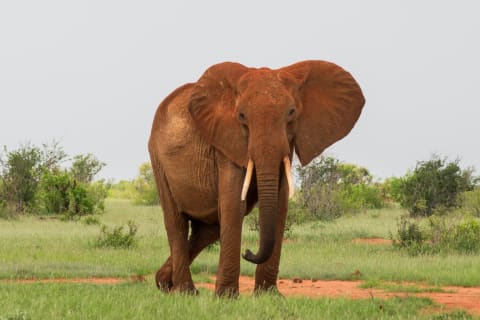
One of Tsavo East's most recognizable features is its red-colored elephants.
The elephants are not naturally red.
Their appearance is caused by the fine reddish soil and dust that coats their skin as they move through the landscape.
This creates some of the destination's most memorable wildlife scenes.
NoteThe red coloration is primarily dust and soil rather than a different elephant species.
Observe elephants quietly from a safe distance and allow them to move naturally without attempting to attract their attention.
Wildlife in Tsavo East
Tsavo East supports a wide variety of wildlife across its grasslands, bushland, river systems and seasonal habitats.
Possible sightings include:
- Elephants
- Lions
- Leopards
- Buffaloes
- Giraffes
- Zebras
- Wildebeest
- Hippos
- Crocodiles
- Hyenas
- Warthogs
- Dik-diks
- Gazelles
- Ostriches
- Numerous bird species
The sheer size of the park means wildlife sightings can sometimes feel more remote and unpredictable than in smaller wildlife areas.
TipPatience is particularly valuable in Tsavo East. The reward can be a quiet, uncrowded wildlife encounter in a vast natural landscape.
Things to Do in Tsavo East
Game Drives
Game drives are the main way to explore Tsavo East.
The park's size means different areas can provide very different scenery and wildlife opportunities.
Morning and late-afternoon drives are generally preferred because temperatures are more comfortable and wildlife can be more active.
Elephant Viewing
Elephants are among Tsavo East's signature attractions.
Large herds can sometimes be found near water sources, river systems and areas with suitable vegetation.
Yatta Plateau
The Yatta Plateau is one of the park's most distinctive geological features.
The long volcanic formation stretches across the landscape and provides a dramatic backdrop during parts of a Tsavo safari.
Aruba Dam
Aruba Dam attracts wildlife and can be an important water source during drier periods.
The area can provide opportunities for viewing elephants, buffaloes, waterbirds and other animals.
Galana River
The Galana River is an important part of the wider Tsavo landscape.
Riverine vegetation creates habitat for wildlife and provides a striking contrast to the drier surrounding terrain.
Lugard Falls
Lugard Falls is a series of sculpted rock formations and rapids along the Galana River.
The surrounding landscape is particularly interesting for travelers who enjoy combining wildlife with natural scenery.
Tsavo East Landscape
Tsavo East is characterized by dramatic variations in color and terrain.
Travelers may encounter:
- Red-earth plains
- Dry bushland
- Open grasslands
- Riverine vegetation
- Baobab trees
- Rocky formations
- Seasonal water sources
- Volcanic landscapes
The contrast between red soil, green vegetation and wildlife creates strong photographic compositions, particularly during early morning and late afternoon light.
Best Time to Visit Tsavo East
Tsavo East can be visited throughout the year.
| Travel Period | Typical Experience |
|---|---|
| Dry periods | Wildlife may concentrate around remaining water sources |
| Wet periods | Greener scenery, seasonal water and active birdlife |
| Shoulder periods | Changing landscapes and potentially fewer visitors |
The park's climate can be hot and dry, particularly during prolonged dry periods.
TipIf wildlife concentration around water is your priority, ask about recent local rainfall and water conditions when planning your safari.
How Long Should You Stay?
A 2-night safari provides a useful introduction to Tsavo East.
A 3-night stay allows more time to explore different sections of the park and spend additional time looking for wildlife.
Travelers combining Tsavo East with Tsavo West can consider a longer itinerary across the wider Tsavo ecosystem.
2 to 3 nights for most visitors.
Where Is Tsavo East National Park?
Tsavo East is located in southeastern Kenya and forms part of the larger Tsavo ecosystem.
Its location makes it particularly useful for travelers combining safari with Kenya's coast.
Popular combinations include:
- Tsavo East + Mombasa
- Tsavo East + Diani Beach
- Tsavo East + Watamu
- Tsavo East + Malindi
- Tsavo East + Tsavo West
- Tsavo East + Amboseli
Getting to Tsavo East
By Road
Tsavo East can be reached by road from Nairobi, Mombasa and other destinations in southeastern Kenya.
Road access makes it a practical stop between the capital and the coast.
By Air
Scheduled and charter flights can connect travelers to airstrips serving different parts of the park and surrounding safari areas.
NoteThe best arrival option depends on your accommodation, safari route and whether Tsavo is being combined with other destinations.
Tsavo East for Families
Tsavo East can provide an exciting family safari, particularly for children interested in elephants and large open landscapes.
Families should consider:
- Private safari vehicle
- Child-friendly accommodation
- Shorter game-drive options
- Family rooms
- Meal arrangements
- Camp safety procedures
- Children's activity policies
WarningChildren should remain supervised at all times around safari vehicles, camps and wildlife areas.
Tsavo East for Couples
Tsavo East can be a memorable destination for couples seeking a quieter safari atmosphere.
A couples itinerary can include:
- Private game drives
- Luxury tented camps
- Bush breakfasts
- Sundowners
- Scenic viewpoints
- Tsavo West combinations
- Beach extensions
Combining Tsavo East with Diani Beach creates a natural safari-and-coast itinerary with minimal backtracking.
Tsavo East and the Kenyan Coast
Tsavo East is particularly valuable for travelers who want to combine wildlife with a beach holiday.
The park can be incorporated into itineraries involving:
- Mombasa
- Diani Beach
- Watamu
- Malindi
This makes it possible to experience Kenya's wildlife and coastal environments within one trip.
Spend several days exploring Tsavo before continuing toward the Indian Ocean for a relaxed coastal stay.
Wildlife Photography in Tsavo East
Tsavo East offers strong opportunities for photographers interested in wildlife and landscapes.
Subjects can include:
- Red-dusted elephants
- Lions
- Giraffes
- Buffaloes
- Zebras
- Baobab trees
- River landscapes
- Yatta Plateau
- Lugard Falls
- Sunrise and sunset scenes
A private safari vehicle provides greater flexibility for photographers who want to spend more time at a sighting or position themselves for changing light.
Safari Safety in Tsavo East
Tsavo East is a large wilderness area and should always be treated with respect.
During your safari:
- Stay inside the safari vehicle unless your guide says otherwise.
- Never approach wildlife.
- Do not feed animals.
- Keep noise levels low.
- Follow park regulations.
- Do not attempt to attract wildlife.
- Follow your guide's instructions.
DangerNever leave the safari vehicle to approach elephants, lions or other wildlife for a photograph.
Accommodation in Tsavo East
Accommodation ranges from budget camps to mid-range lodges and luxury safari properties.
When choosing accommodation, consider:
- Location within the ecosystem
- Distance from park entrances
- Wildlife viewing areas
- Waterhole access
- Family suitability
- Private vehicle availability
- Meal plans
- Camp activities
- Transfer arrangements
If your priority is wildlife viewing, consider accommodation based on its location and access to productive game-viewing areas rather than luxury level alone.
Tsavo East Safari Planning
Tsavo East can be used as a standalone safari destination or as part of a larger southern Kenya itinerary.
| Combination | Ideal For |
|---|---|
| Nairobi + Tsavo East | Short southern Kenya safari |
| Tsavo East + Tsavo West | Extended Tsavo experience |
| Tsavo East + Amboseli | Southern Kenya wildlife circuit |
| Tsavo East + Mombasa | Safari and city/coast holiday |
| Tsavo East + Diani Beach | Safari and beach holiday |
| Tsavo East + Watamu | Wildlife and coastal itinerary |
TipTsavo East is particularly convenient for travelers arriving in or departing from the Kenyan coast.
Experience Tsavo East With ZikaraLink Travel
ZikaraLink Travel can arrange Tsavo East safaris based on your preferred budget, travel dates, accommodation style and wildlife interests.
Safari planning can include:
- Tsavo East game drives
- Private safaris
- Budget safari camps
- Mid-range lodges
- Luxury tented camps
- Elephant-focused safaris
- Photography safaris
- Family safaris
- Tsavo East and Tsavo West combinations
- Tsavo and Amboseli itineraries
- Safari and beach holidays
- Customized Kenya safaris
Best Time to Visit
Best time data not yet available for this destination.
Getting There
By Road
5-6 hours from Nairobi via Narok (270km)
By Air
45-minute flight from Wilson Airport to various airstrips